
How Many Units Does a Race Actually Need?
Start with headcount, then think about bottlenecks. A 5K with 400 runners moving through one starting corral needs restrooms clustered at that corral, not spread along the route where nobody has time to stop. Standard porta potty rental units cover that base need, priced at $200 to $800 per event under the standard-event band, and most road races in Joplin want a mix: a bank of standard units at the start, one or two near mile markers with heavy foot traffic, and a larger cluster at the finish where runners linger. OSHA's construction ratio in 1926.51(c) does not apply to spectators, but race organizers still use it as a planning shortcut, roughly one toilet per 20 to 40 people in a fixed crowd. If your race draws a wheelchair division or handcycle athletes, ADA accessible units need to sit on the route too. ADA Standards section 213.2 requires at least one accessible unit in any cluster, and never less than 5 percent of the total. Pair that with a 60 inch turning circle per ADA 304.3.1 so a chair user can actually maneuver inside. For a full breakdown by attendance size, the how many porta potties do I need guide walks through the math event by event. Races that also want a nicer finish-line restroom for VIPs or sponsors sometimes add a deluxe flushable porta potty, which runs $150 to $290 per week if the event spans multiple days.
What Does a Marathon in Joplin Need Beyond Restrooms?
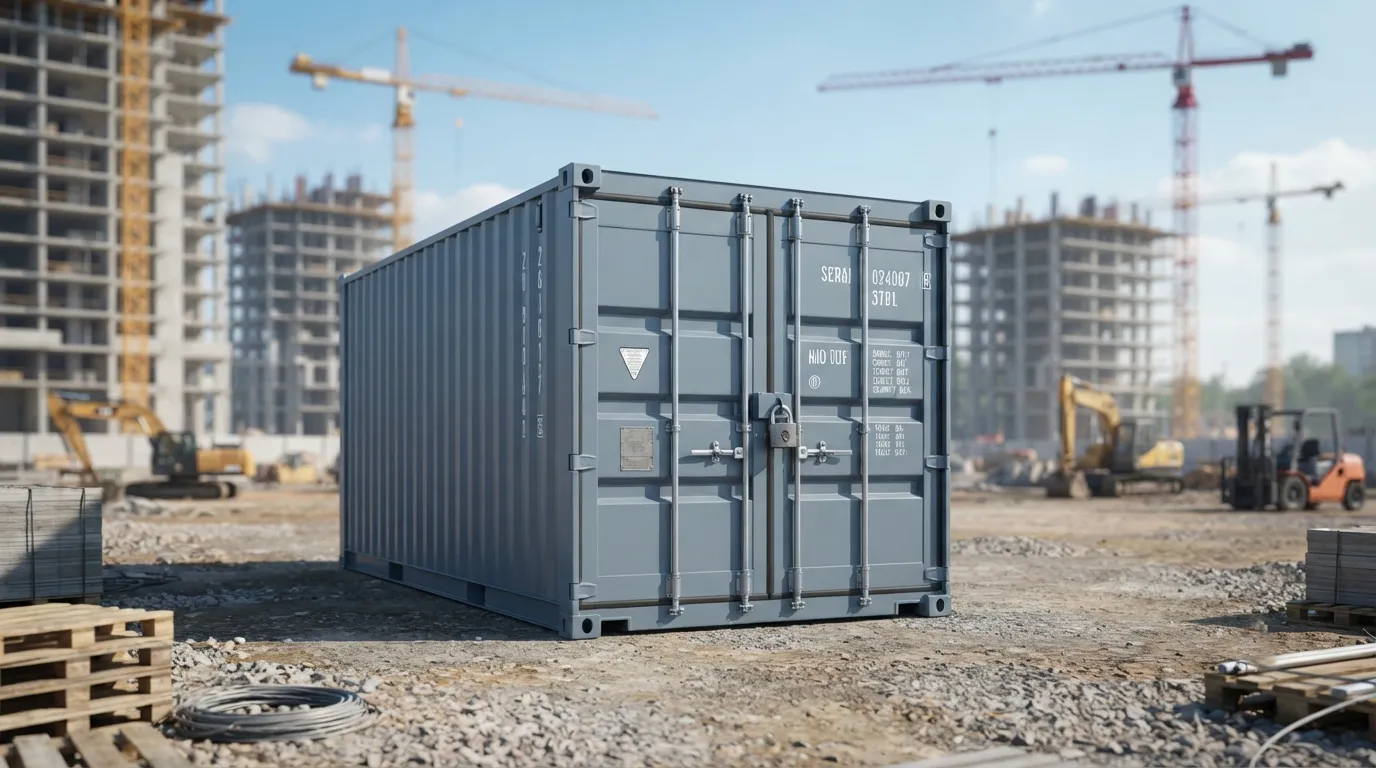
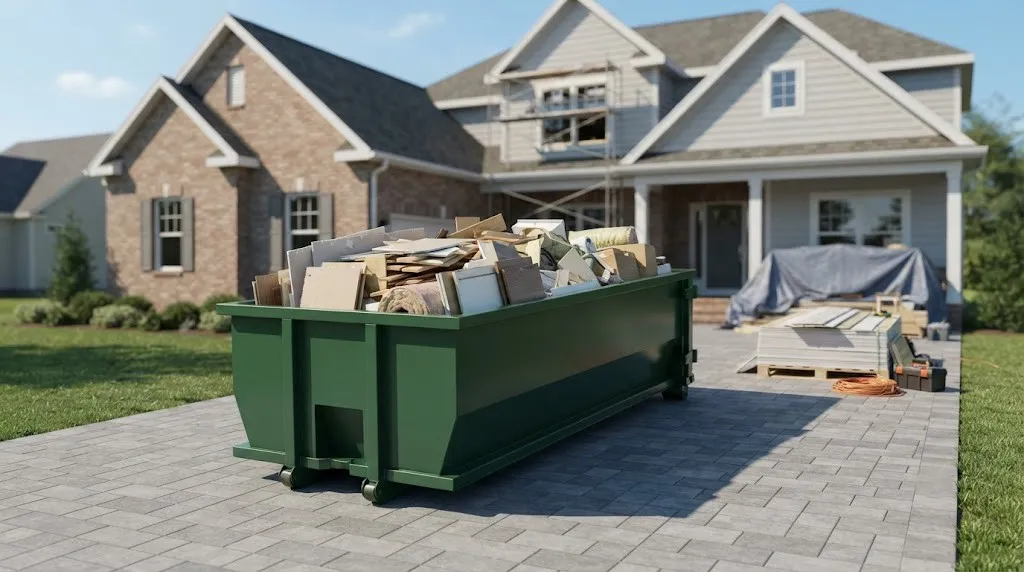
Restrooms are the visible piece, but most race producers in Joplin end up ordering four or five other things once they start planning the finish line. Lighting matters if your race starts before sunrise or your award ceremony runs past dusk; a light tower rental covers that under OSHA 1926.56(a), which sets minimum illumination for outdoor work and event areas. Timing systems, PA equipment and finish-line arches all need power, and that means a generator or a temporary power pole staged near the stage. How to brace a temporary power pole matters here: guy-wire it at three points, anchor the base plate, and keep the run of cable off the runner path entirely, ideally routed through a cable ramp or buried conduit so nobody trips mid-race. GFCI protection per OSHA 1926.404(b)(1)(ii) is worth confirming with whoever sets up your electrical, especially if it rained the week before. Crowd control matters at a start line with hundreds of nervous runners bunched together; a crowd control barrier rental or full temporary fence rental keeps spectators off the course. Fence rents for $30 to $75 a day, which is cheap insurance against a course incursion. Water stations need handwashing too. A handwashing station rental at aid stations lets volunteers rinse sticky hands between cups, and 29 CFR 1910.141(d)(2) is clear that soap and towels, not sanitizer alone, satisfy a real washing setup. After the race, a roll-off dumpster rental handles the cup piles and banner debris; a 10 yard unit typically covers a mid-size 5K, priced at $91 to $500 a month or $426 to $778 a week depending on how long you need it parked.
Where Should Restrooms Sit Along the Course?
Placement decides whether restrooms get used or get ignored. Units belong at the start corral, at any aid station past mile 3, and in a dense cluster at the finish, never tucked behind a building where runners cannot see them from the course. The porta potty placement guide covers ground clearance, service truck access and wind direction in more depth, but the short version for race day is line of sight and easy walk-up. ADA Standards section 405.2 caps ramp slope at 1:12 for any unit sitting on a curb or uneven shoulder, and section 403.5.1 wants a 36 inch clear path leading to the door. If your race runs through downtown Joplin or crosses city-maintained right-of-way, placement in the public right of way needs confirming with the city before units go down; Joplin Porta Pros can flag likely spots but the final call sits with the city. Races that draw from Webb City, 6.4 miles north, or Carl Junction, 8.0 miles north, often stage satellite parking and shuttle drop-offs that need their own restroom cluster separate from the main course. For events that need same-week setup after a late permit approval, emergency porta potty rental gets units on site fast. Multi-day festivals built around a race weekend sometimes pair restrooms with a restroom trailer rental for a VIP or sponsor area, which runs $900 to $3,000 for a weekend package.
Frequently asked questions
How far in advance should we book race restrooms?
Two to four weeks out is safe for most 5K and 10K events in Joplin; larger marathons with 1,000-plus runners should lock units in a month ahead so delivery trucks can plan routes around road closures.
Do we need ADA units even if no wheelchair racers registered?
Yes. Spectators and volunteers may need accessible access regardless of the racer field, and ADA Standards 213.2 sets the minimum at one unit per cluster, never zero.
How many restrooms does a 500-runner 5K need?
Plan for roughly one standard unit per 100 to 150 people at the start line, then two or three more at the finish where runners and families gather afterward.
Can we service units mid-race if lines get long?
Servicing mid-event is possible for extended courses like marathons, but most producers instead add more units up front rather than pull a truck onto an active course.
What happens if it rains on race day?
Units stay functional, but check porta potty in winter style prep for slick approach paths, and confirm the ground under each unit is stable per ADA Standards 302.1.
Next step
Get a delivery date
Tell us the address, the dates and the headcount. We size the order and confirm the route.